
Human Factors Expert Witness
Scientific analysis of human behavior and performance—including human error, perception, attention and distraction, warnings, visibility, training and instructions, task design, stress, fatigue, memory, and risk tolerance—in workplace injury, product liability, and premises liability litigation.
What Is Human Factors?
Human factors is the scientific study of how the capabilities, limitations, and characteristics of people influence how they understand and interact with information, tasks, products, equipment, environments, and systems. In litigation, a human factors expert evaluates the extent to which factors like sensation and perception, attention and distraction, expectancy, rational decision-making, stress, cognitive workload, training, and product or workplace design may have been at the root of an incident.
A human factors analysis informs not only how and why an incident occurred, but also whether an individual’s actions or inactions were foreseeable based on what a typical person would reasonably have been expected to perceive, understand, anticipate, and do under the circumstances at issue. This analysis, in turn, provides a defensible scientific basis for evaluating issues relevant to the reasonable person standard, which is often at the heart of allegations related to liability and negligence.
Joseph Pauszek, PhD | Human Factors Expert Witness
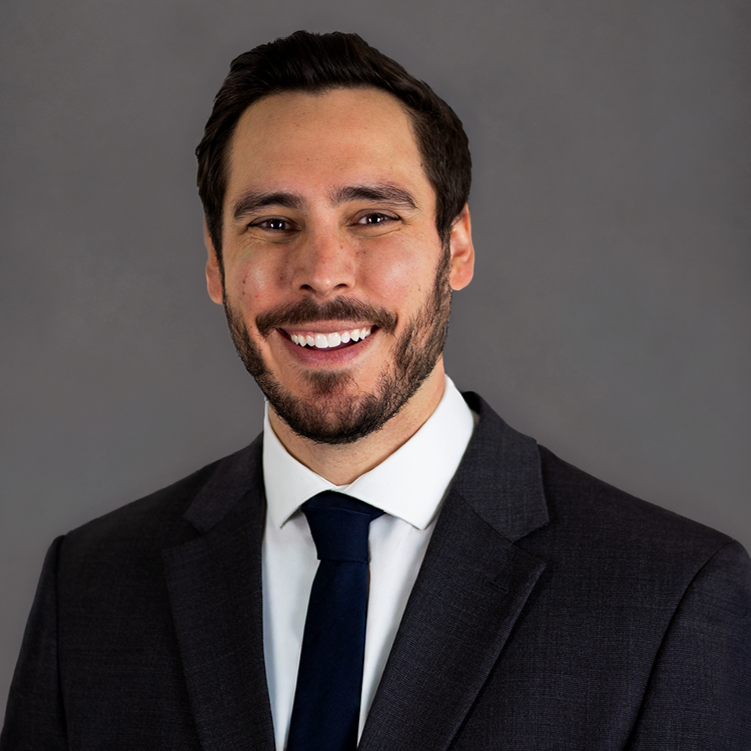
LegacyMark’s human factors expert witness practice is led by Joseph Pauszek, PhD, a cognitive psychologist and human factors scientist whose career has focused on the scientific analysis of how people perceive, process, and respond to information, hazards, products, environments, and tasks. Before joining LegacyMark, Dr. Pauszek held senior and managing human factors consulting roles in forensic and applied human factors practice. His areas of expertise include human error, perception and information processing, visual attention and distraction, decision-making, memory, cognitive workload and mental effort, warnings and risk communication, usability, product safety, and human-computer interaction.
Dr. Pauszek has provided expert testimony and litigation support in matters involving product and premises liability, instructions and warnings, failure to warn, personal injury, motor vehicle and construction accidents, deceptive marketing, firearms safety and negligence, and class actions. His scientific work also includes the use of eye tracking, pupillometry, and other physiological measures to evaluate attention and cognitive state, as well as extensive research involving consumer products, emerging technologies, healthcare, and medical devices.
Dr. Pauszek earned his PhD in Cognitive Psychology from the University of Notre Dame. His academic and applied research background provides a scientific foundation for evaluating the human behavior and performance issues that frequently arise in litigation.
Human Factors Issues Evaluated:
Depending on the circumstances of the case a human factors expert witness analysis may address:
- Human Error & Foreseeable Behavior
- Whether an action or mistake was reasonably predictable under the circumstances.
- Perception & Hazard Recognition
- Whether a person could reasonably detect and recognize a hazard.
- Attention & Distraction
- Whether competing tasks or environmental demands affected awareness.
- Visibility & Conspicuity
- Whether an object, person, warning, or hazard was sufficiently noticeable.
- Warnings & Instructions
- Whether safety information was visible, understandable, and actionable.
- Decision-Making & Response
- Whether the person had adequate information and opportunity to respond.
- Training & Procedures
- Whether instructions and procedures accounted for how the task was actually performed.
- Human-Machine Interaction
- Whether controls, displays, equipment, or interfaces supported safe & effective use.
- Cognitive Workload, Stress & Fatigue
- Whether cognitive demands, stress, fatigue, or competing demands affected attention, decision-making, or performance.
- Task Design
- Whether the task or environment accommodated foreseeable cognitive limitations.
What Can a Human Factors Expert Witness Help Determine?
In litigation, a human factors expert evaluates how people perceive information, recognize hazards, make decisions, and interact with equipment, environments, warnings, procedures, and other people. Rather than simply asking whether someone made an error, human factors analysis examines why the action occurred, what information was available at the time, and whether the surrounding system accounted for foreseeable human behavior and limitations.
Depending on the facts of the case and the expert’s qualifications, human factors analysis may help address questions such as:
Could the Person Reasonably Perceive the Hazard?
An expert may evaluate whether a hazard, object, condition, warning, vehicle, or person was reasonably detectable under the circumstances. Relevant factors may include visibility, lighting, contrast, obstructions, viewing angle, distance, movement, conspicuity, and the individual’s expected focus of attention.
Was the Person’s Attention Directed Elsewhere?
People have limited attentional capacity. Human factors analysis can examine whether competing tasks, environmental conditions, equipment operation, communications, workload, or other demands reasonably affected what a person noticed or failed to notice before an incident.
Was a Warning or Instruction Likely to Be Seen, Understood, and Followed?
The presence of a warning does not necessarily establish that it effectively communicated the hazard. A human factors expert may evaluate the warning’s placement, visibility, wording, signal words, symbols, timing, context, and whether the information provided the user with a meaningful opportunity to understand and respond to the hazard.
Was the Hazard Sufficiently Visible or Conspicuous?
Visibility involves more than whether something was physically present within a person’s field of view. An expert may evaluate whether a hazard was sufficiently noticeable against its surroundings considering lighting, contrast, color, size, motion, visual clutter, obstructions, and the observer’s expected line of sight.
Did the Person Have Sufficient Time and Information to Respond?
Human factors analysis may consider when relevant information first became available, when the hazard could reasonably have been detected, what decisions were required, and whether sufficient time existed for a person to perceive the situation, understand its significance, select a response, and act.
Was the Person’s Behavior Foreseeable?
Human behavior does not always conform perfectly to written procedures or idealized expectations. An expert may evaluate whether the actions taken were reasonably foreseeable given the task, environment, equipment, training, experience, workload, incentives, established work practices, and information available at the time.
Did the Task or Equipment Increase the Likelihood of Human Error?
Human error may be influenced by the way a task, workplace, machine, control, display, or procedure is designed. A human factors expert may evaluate whether the system created unnecessary opportunities for confusion, omission, misinterpretation, incorrect control selection, loss of situational awareness, or other predictable errors.
Were Controls, Displays, or Interfaces Designed for Effective Human Use?
In equipment-related cases, human factors analysis may address the location, labeling, organization, visibility, consistency, and usability of controls and displays. The expert may consider whether the interface provided users with clear information about equipment status and supported appropriate operation under foreseeable conditions.
Did Training and Procedures Account for How the Work Was Actually Performed?
Written procedures and training programs can be evaluated against real-world operating conditions. A human factors expert may consider whether instructions were understandable, whether critical information was emphasized, whether workers were expected to remember excessive information, and whether the prescribed procedure was practical under actual working conditions.
Did Workload, Fatigue, Stress, or Competing Demands Affect Performance?
Human performance can be influenced by physical and mental workload, fatigue, time pressure, interruptions, repetitive tasks, environmental stressors, and simultaneous responsibilities. Where supported by the evidence, these factors may help explain changes in attention, decision-making, reaction, or task performance.
Was the Environment Designed Around Foreseeable Human Capabilities and Limitations?
Human factors considers whether workplaces, equipment, tasks, and systems accommodate the people expected to use them. This may include evaluating reach, posture, strength, movement, visibility, information processing, memory demands, and other physical or cognitive capabilities.
Was the Incident Simply “Human Error,” or Did the System Contribute?
Describing an incident as operator error, worker error, or user error may identify the final action in a sequence without explaining why that action occurred. Human factors analysis can examine whether equipment design, task demands, procedures, warnings, environmental conditions, training, supervision, or other system characteristics contributed to the behavior that preceded the incident.
How Would a Reasonable Person Be Expected to Interact With the Same Conditions?
Where appropriate, an expert may compare the actions involved in an incident with established human factors principles, scientific research, expected human performance, and foreseeable patterns of behavior. This can help distinguish between conduct that was unusual and conduct that a reasonably designed system should have anticipated.
Ultimately, a human factors expert helps counsel move beyond the question of what a person did and evaluate what the person could reasonably perceive, understand, anticipate, decide, and do under the circumstances. That analysis can be particularly important in cases involving workplace accidents, industrial equipment, construction activities, warnings and instructions, premises conditions, machinery, vehicles, and other situations where human behavior interacts with the design of a task, system, or environment.
Need Human Factors Expert Witness analysis for your legal case?
If your case involves human behavior, hazard perception, warnings, visibility, training, equipment interaction, or other human factors issues, you need an expert who can evaluate how people were likely to perceive, understand, and respond to the conditions involved.
Workplace and Industrial Human Factors Cases
Human factors analysis can be especially valuable in workplace and industrial cases where employee behavior, equipment operation, task demands, warnings, or environmental conditions contributed to an incident.
Forklift & Mobile Equipment Incidents
Operator visibility, pedestrian awareness, blind spots, warnings, traffic patterns, and foreseeable movement.
Machine & Equipment Injuries
Controls, guarding, equipment interaction, task design, maintenance activities, and foreseeable misuse.
Construction Accidents
Line-of-fire hazards, worker-equipment interaction, communication, work sequencing, and hazard recognition.
Lockout/Tagout & Maintenance Events
Procedure usability, equipment status, communication, training, and human error during servicing activities.
Premises & Pedestrian Incidents
Lighting, visibility, signage, walking paths, visual obstructions, and hazard conspicuity.
Training & Procedure Cases
Whether instructions were understandable, practical, and consistent with how the work was actually performed.
Warnings & Safety Communications
Whether warnings were positioned, designed, and communicated in a way that supported appropriate action.
Human Factors vs. Safety/OSHA Expert Analysis
Human factors and workplace safety experts may both provide opinions relevant to liability and causation, but they typically approach an incident from different perspectives.
A Safety/OSHA Expert evaluates whether workplace conditions, conduct, policies, training, and hazard controls were consistent with applicable OSHA requirements, accepted safety practices, and, where appropriate, the applicable standard of care. This may include evaluating employer and contractor responsibilities, regulatory compliance, hazard recognition and control, safety programs, supervision, training, and established industry practices.
A Human Factors Expert evaluates whether the task, equipment, warning, procedure, or environment adequately accounted for foreseeable human behavior and human capabilities and limitations. This may include analyzing perception, attention, decision-making, visibility, warnings, human error, workload, training effectiveness, and human-machine interaction.
In practical terms, the safety expert often addresses what safety measures should have been provided or followed, while the human factors expert addresses how a person could reasonably be expected to perceive, understand, and respond to those measures and conditions.
For example, in a forklift-pedestrian incident, a safety expert may evaluate OSHA requirements, operator training, pedestrian controls, worksite procedures, and whether appropriate safeguards were implemented. A human factors expert may separately evaluate operator sight lines, blind areas, pedestrian conspicuity, attention demands, available warnings, and whether the work environment accounted for foreseeable operator and pedestrian behavior.
Together, the disciplines can provide complementary opinions regarding safety performance, human behavior, incident causation, and whether the systems in place adequately addressed foreseeable hazards and human limitations.
LegacyMark Expert Witness Team
LegacyMark’s expert witness services are led by experienced professionals with real-world industry and litigation support experience.
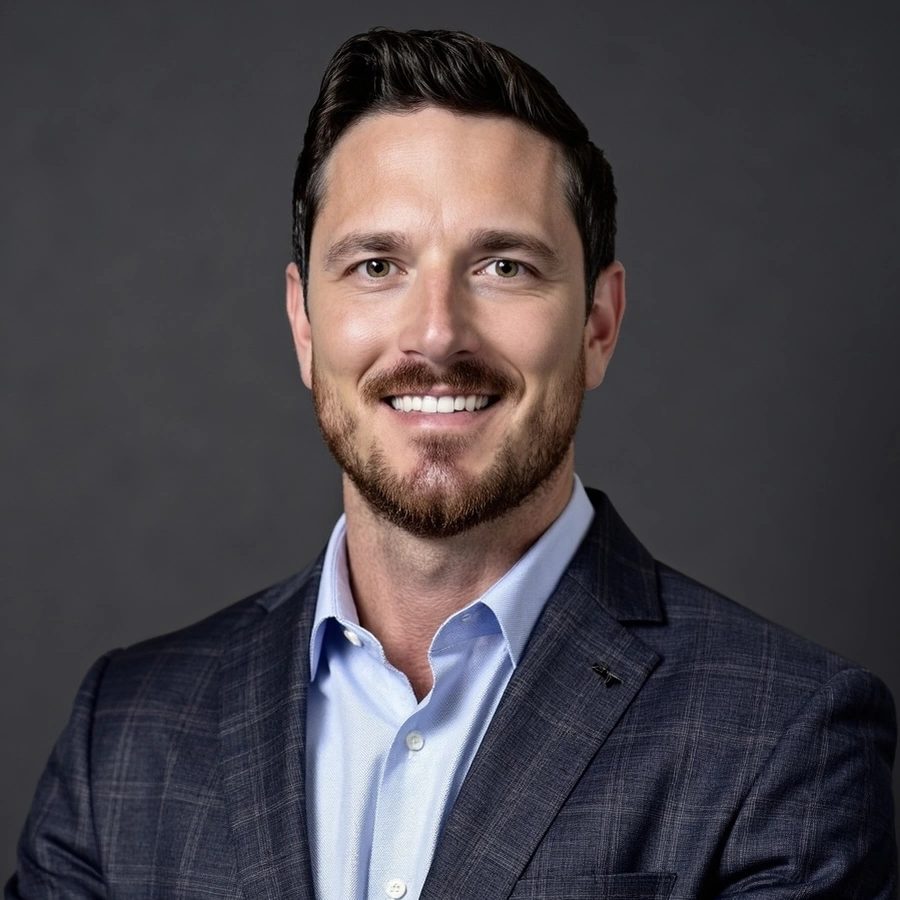
Dustin L. Hickey
CSP, CRSP, CMIOSH, CMQ/OE

Nathan M. Boswell
CSP, CRSP, CMIOSH
Joseph Pauszek
PhD, Cognitive Psychology
View Expert Profiles →
Frequently Asked Questions
What Does a Human Factors Expert Witness Do?
A human factors expert evaluates how people perceive information, recognize hazards, make decisions, and interact with equipment, tasks, warnings, and environments. The expert may help determine whether human behavior was foreseeable and whether the surrounding system contributed to an incident.
What Types of Cases Can Involve Human Factors Analysis?
Human factors issues may arise in workplace accidents, construction incidents, equipment and machinery cases, forklift and vehicle incidents, premises liability matters, product-related cases, warning and instruction disputes, and other situations involving human interaction with a task or environment.
How Is a Human Factors Expert Different From a Safety Expert?
A safety expert typically focuses on regulatory requirements, hazard controls, safety programs, training, and accepted safety practices. A human factors expert focuses more specifically on perception, attention, decision-making, warnings, human error, task design, and foreseeable human behavior. Some cases benefit from both disciplines.
Can a Human Factors Expert Evaluate Human Error?
Yes. Human factors analysis can examine whether an error was simply an isolated action or whether factors such as equipment design, workload, training, procedures, visibility, warnings, or environmental conditions increased the likelihood of that error.
Can a Human Factors Expert Evaluate Warnings and Instructions?
Yes. Depending on the expert’s qualifications, the analysis may address whether a warning or instruction was visible, understandable, appropriately placed, and capable of effectively communicating the nature of the hazard and the action required.
When Should an Attorney Retain a Human Factors Expert?
A human factors expert is often most useful when a case involves questions about what someone could see, understand, anticipate, remember, or reasonably do under the circumstances. Early involvement can also help identify relevant evidence, testing needs, and issues that should be explored during discovery.
What Evidence Does a Human Factors Expert Witness Review?
Depending on the case, an expert may review photographs, video, incident reports, deposition testimony, training materials, procedures, equipment manuals, warnings, site conditions, measurements, applicable standards, and relevant scientific literature.
Can a Human Factors Expert Work With an OSHA or Workplace Safety Expert?
Yes. In workplace and industrial cases, the two disciplines can complement one another. A safety expert may evaluate OSHA requirements and workplace controls, while a human factors expert evaluates how people were likely to perceive, understand, and respond to the conditions involved.
Get In Touch
If your case involves human factors, workplace safety, or personal injury, we can evaluate how human behavior, equipment, tasks, warnings, and environmental conditions may have contributed to the incident.
Quick Links
Services
Legal
Follow Us
Contact Information
Houston, TX | Denver, CO | Phoenix, AZ | Serving Nationwide | Contact Us

© 2025 LegacyMark Safety Consulting. All Rights Reserved.